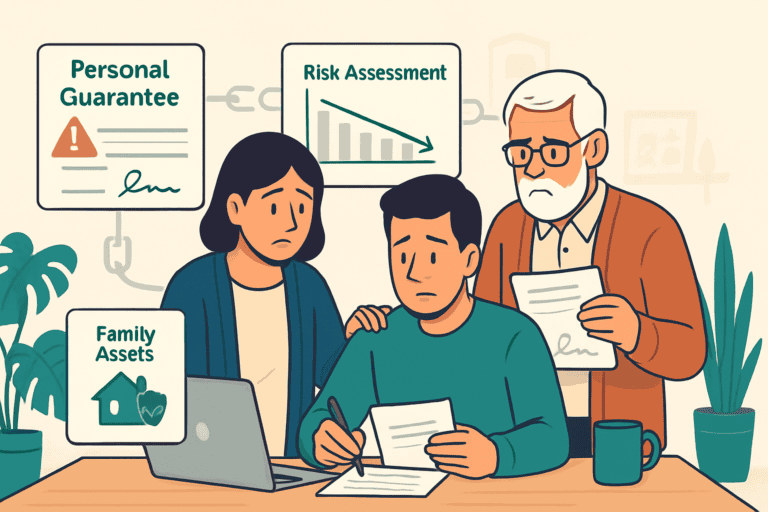
As everyday expenses continue to climb—from groceries and utilities to rent and healthcare—more Americans are turning to relatives for financial help. The trend of cost of living borrowing from family 2026 is accelerating, and it’s no longer just about emergencies. Millions of households are now relying on parents, siblings, and extended family to bridge the gap between stagnant wages and rising prices. But borrowing from the people closest to you comes with financial, legal, and emotional complexities that most people never think about until it’s too late.
Whether you’re the one asking for help or the family member writing the check, getting this right matters. Done well, a family loan can be a lifeline. Done poorly, it can fracture relationships and create surprise tax liabilities. Here’s what you need to know heading into 2026.
Why Is Cost of Living Borrowing From Family Surging in 2026?
Persistent inflation in housing, food, insurance, and childcare has pushed household budgets to the breaking point. With credit card APRs averaging above 20% and tighter bank lending standards, family loans have become the most accessible—and cheapest—borrowing option for millions of Americans in 2026.
The numbers tell the story. The Consumer Financial Protection Bureau (CFPB) has flagged rising household debt-to-income ratios as a growing concern, and the Federal Reserve’s most recent Survey of Consumer Finances shows that intrafamily lending has increased meaningfully since 2020. Here’s why:
- Housing costs: Median rent in metro areas has exceeded $2,000/month in many markets, while mortgage rates remain elevated above 6%.
- Grocery inflation: The USDA projects food-at-home prices will rise another 2–3% in 2026, compounding years of cumulative increases.
- Childcare: Annual daycare costs now exceed $12,000 in most states, eating up a significant share of household income.
- Medical debt: Out-of-pocket healthcare spending continues to climb, especially for families on high-deductible plans.
- Credit access: New debt-to-income lending rules in 2026 have made it harder for some borrowers to qualify for traditional loans.
Against this backdrop, asking Mom and Dad—or a sibling or grandparent—for a loan feels like the obvious solution. But “obvious” doesn’t mean “simple.”
What Are the IRS Rules You Can’t Afford to Ignore?
The IRS treats family loans differently from gifts, and getting the classification wrong can trigger unexpected tax bills for both the borrower and the lender. Any loan over $10,000 must charge at least the IRS Applicable Federal Rate (AFR) or the lender may owe taxes on imputed interest income.
This is the area where we consistently see families make costly mistakes. Here’s how the IRS framework works in practice:
- Applicable Federal Rate (AFR): The IRS publishes monthly AFRs for short-term (≤3 years), mid-term (3–9 years), and long-term (>9 years) loans. As of mid-2026, these rates range from roughly 3.5% to 4.5%, depending on duration.
- Below-market loans: If a family lender charges 0% interest on a $50,000 loan, the IRS may reclassify the foregone interest as a taxable gift from the lender to the borrower—and as phantom interest income the lender must report.
- Gift tax annual exclusion: In 2026, the annual gift exclusion is $19,000 per recipient. If the imputed interest plus any forgiven principal exceeds this threshold, the lender must file IRS Form 709.
- Loan vs. gift disputes: Without a written agreement, the IRS—and courts—may reclassify the entire transfer as a gift rather than a loan. This matters enormously for estate planning and lifetime gift tax exemption calculations.
For a deeper dive into these tax implications, see our guide on 2026 tax law and family loans.
How Do You Structure a Family Loan the Right Way?
A properly structured family loan protects both parties legally, keeps the IRS satisfied, and—crucially—preserves the relationship. The agreement should specify the loan amount, interest rate (at or above AFR), repayment schedule, late-payment terms, and what happens if the borrower can’t pay.
Our experience working with borrowers and lenders shows that the families who put everything in writing upfront almost never end up in disputes. Here’s a practical framework:
- Put it in writing—always. Even a $2,000 loan for groceries should be documented. A written agreement is your best evidence if the IRS questions the transaction or if a dispute arises later. States vary on the statute of limitations for written contracts (typically 4–10 years), so timeliness matters.
- Set a realistic repayment schedule. Monthly payments are standard, but biweekly or quarterly can work. The key is choosing a cadence the borrower can actually sustain given their current cost-of-living pressures.
- Include a hardship clause. Life happens. Build in a provision that allows temporary payment pauses (e.g., 90 days) due to job loss, medical emergency, or other qualifying events—without triggering a default.
- Address early repayment. Make clear whether the borrower can pay off the loan early without penalty. Most family loans should allow this.
- Define what “default” means. Specify how many missed payments constitute a default, what notice is required, and what remedies the lender has. This sounds harsh, but it actually reduces anxiety because both parties know the rules.
| Element | Why It Matters | Common Mistake |
|---|---|---|
| Written agreement | Legal enforceability; IRS compliance | Relying on verbal promises or text messages |
| Interest rate ≥ AFR | Avoids imputed interest and gift tax issues | Charging 0% on loans over $10,000 |
| Repayment schedule | Creates accountability and predictability | Vague “pay me back when you can” terms |
| Hardship clause | Prevents relationship damage during crises | No flexibility, leading to shame and avoidance |
| Default provisions | Gives both parties clear expectations | No defined consequences for non-payment |
What Emotional Traps Should You Watch Out For?
Family loans carry emotional weight that bank loans simply don’t. Guilt, resentment, power imbalances, and unspoken expectations can poison relationships long after the money changes hands. Setting clear boundaries upfront and treating the arrangement professionally is the best way to protect both your finances and your family ties.
Here are the patterns we see most often go wrong:
- The “silent scorekeeper”: A parent lends money to one child and then holds it over them—or resents siblings who didn’t need help. Transparency with the broader family (where appropriate) prevents this.
- The borrower who disappears: Shame about missed payments leads some borrowers to avoid family gatherings entirely. A hardship clause and open communication prevent this spiral.
- The lender who can’t afford it: Parents dipping into retirement savings to help adult children with cost-of-living expenses may be jeopardizing their own financial security. Only lend what you can genuinely afford to lose.
- Divorce complications: In community property states like California, Texas, Arizona, Nevada, Washington, Idaho, Louisiana, New Mexico, and Wisconsin, a borrower’s spouse may acquire a legal interest in assets purchased with loan proceeds. A well-drafted agreement should address this. For specifics, read about divorce-proofing family loans.
Frequently Asked Questions
Is There a Maximum Amount You Can Borrow From Family Without Tax Consequences?
Loans of $10,000 or less are generally exempt from the IRS’s below-market loan rules, meaning no interest needs to be charged. Above that threshold, the lender must charge at least the Applicable Federal Rate or face imputed interest income and potential gift tax reporting obligations on Form 709.
Does a Family Loan Affect Your Credit Score?
A typical family loan does not appear on your credit report because it isn’t reported to the credit bureaus. However, if the lender formalizes the loan through a platform that reports to bureaus, or if a dispute leads to a court judgment, your credit could be affected. Most informal family loans remain invisible to FICO scoring models.
What Happens If You Can’t Repay a Family Loan?
If a borrower defaults, the lender can pursue the debt in court—the statute of limitations on written contracts ranges from 4 to 10 years depending on the state. The lender may also be able to claim a non-business bad debt deduction on their tax return, reported as a short-term capital loss on Schedule D.
Should You Use a Family Loan to Cover Rent or Mortgage Payments?
Using a family loan for housing costs can be a practical short-term solution when traditional credit is expensive or unavailable. However, recurring cost-of-living borrowing from family in 2026 should be paired with a plan to increase income or reduce expenses—otherwise, you’re transferring financial stress from one family member to another without solving the root problem.
Do You Need a Lawyer to Create a Family Loan Agreement?
You don’t necessarily need a lawyer, but you do need a clear, written agreement that covers amount, interest rate, repayment terms, and default provisions. Digital tools like Chipkie can help you create a structured, compliant agreement without legal fees—making it easier for both parties to stay accountable and protected.
What’s the Smartest Next Step?
Cost of living borrowing from family 2026 isn’t a sign of failure—it’s a rational response to an economy that’s squeezing household budgets from every direction. But the difference between a loan that strengthens your family and one that tears it apart comes down to structure, transparency, and documentation.
If you’re considering a family loan—whether you’re borrowing or lending—start by putting the terms in writing. Chipkie makes it easy to create clear, fair family loan agreements that protect everyone involved. Document the loan, set up a repayment schedule, and keep the relationship intact. Your future self—and your family—will thank you.
Disclaimer: The information provided in this article is for informational purposes only and should not be considered financial or legal advice. Laws and lending criteria vary significantly between states. We always recommend consulting with a qualified real estate attorney and financial advisor before entering into a property purchase or financial arrangement with another party.